Best 26 Degree Hybrid Golf Club Options for Better Distance and Forgiveness
Finding the right 26 degree hybrid can simplify long approach shots and improve consistency around the greens. This guide reviews five popular options that span value, forgiveness, and performance. Each entry includes key specs, intended use, and what makes it stand out for players seeking a reliable 26-degree hybrid or close equivalents in the mid-20s loft range. Use the buying guide below to compare fit, shaft, and price considerations before you buy.
style=”display:none”>Summary Table Of Selected Products
| Product | Loft (Approx.) | Shaft Type | Hand | Key Benefit |
|---|---|---|---|---|
| LAZRUS GOLF Premium Hybrid (3-9, PW) | 27° (3-Hybrid) to 45° (PW) | Graphite | Men’s Right/Left | Affordable, versatile hybrids; lightweight graphite shafts |
| Pinemeadow Golf Excel EGI Hybrid (28°) | 28° (6-Hybrid) | Graphite | Right | Wide sweet spot; easy transition from irons |
| TaylorMade Qi10 Rescue (22°) | 22° | Graphite | Right | Advanced MOI and speed pockets for forgiveness |
| Cleveland Launcher Halo XL Hybrid (18°) | 18° | Graphite | Right | High MOI, stable turf interaction |
| PGF Gold Tour Precision Hybrid (2) | Low to mid lofts (Model details vary) | Graphite/Steel | Regular | Forgiveness with perimeter weighting |
LAZRUS GOLF Premium Hybrid Golf Clubs

The LAZRUS GOLF premium hybrid set is sold as individual clubs and includes options for right- and left-handed players. Graphite shafts accompany each hybrid, with a range from lower-lofted 2- or 3-hybrids up through higher-lofted options like PW. These clubs emphasize affordability without sacrificing core performance, making them a popular entry in hybrid golf gear. Features highlight graphite shafts and a claim of top-quality construction at a fraction of high-end brand prices.
Pinemeadow Excel EGI Hybrid (28 Degree)

The Pinemeadow Excel EGI hybrid line emphasizes a larger sweet spot and a versatile face design. With 28-degree loft options (for mid-range hybrids) and a clear emphasis on easier launch, these clubs are designed to help players replace irons with hybrids across the bag. The set’s configuration includes various lofts that bridge the gap between mid-irons and higher-launch hybrids, supporting consistent contact from multiple lies.
TaylorMade Qi10 Rescue #4 22 Degree
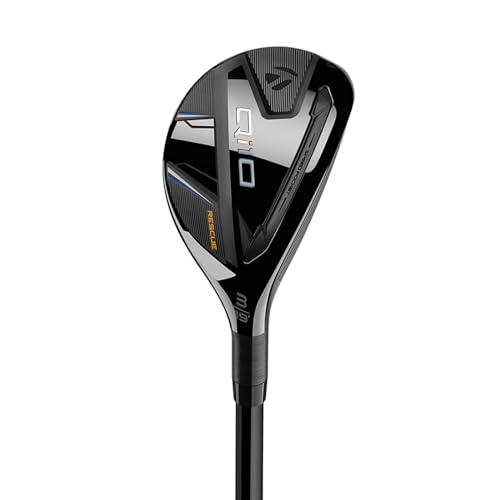
TaylorMade’s Qi10 Rescue features 270° crown construction and Inverted Cone Technology to optimize ball speed and forgiveness. While the 22-degree loft is not a 26-degree equivalent, this rescue club sits in the same hybrid family as mid-loft options, offering a stable MOI through perimeter weighting and a Speed Pocket to boost distance on lower-face shots. It’s designed for players who want assistance in longer approach shots with a high likelihood of accuracy.
Cleveland Launcher Halo XL Hybrid (18°)

The Cleveland Launcher Halo XL Hybrid emphasizes a large face and weight positioning designed to maximize MOI and forgiveness. While this model is lower loft than a typical 26-degree option, the Halo XL demonstrates how manufacturers tailor hybrids to improve turf interaction and trajectory control. Its GlideRail technology aims to deliver cleaner swings through the turf, making it a viable option for players seeking stability and consistency in the hybrid category.
PGF Gold Tour Precision Hybrid

The PGF Gold Tour Precision Hybrid targets a blend of forgiveness and control with a forged carbon steel face and perimeter-weighted design. This hybrid emphasizes a compact profile with precise shot-shaping potential, catering to players who want iron-like control with the added ease of a hybrid. The design focuses on consistent performance across different lies and conditions.
Buying Guide: Key Considerations For Buying A 26 Degree Hybrid
- Loft consistency and range: If you specifically want a 26-degree loft, verify the exact loft of the hybrid you’re buying or consider models in the 25–28 degree range as close equivalents. Loft affects launch angle and carry distance; chasing the exact 26° is less common than targeting mid-20s hybrids.
- Head design and forgiveness: Look for a larger sweet spot, perimeter weighting, and added MOI. These features help with mis-hits and produce straighter shots, especially on longer approach attempts.
- Shaft material and flex: Graphite shafts are lighter and can help with faster swing speeds or higher launch. Regular flex suits many adult male players, but check your swing speed to choose the right flex for distance and accuracy.
- Head shape and turf interaction: A forgiving hybrid should glide through the turf with minimal digging. Tri-rail soles or optimized sole designs can improve turf interaction on tight lies or damp turf.
- Club interchangeability: If you plan to replace multiple irons with hybrids, consider models labeled as “EGI” or those designed to replace mid-irons for uniform feel across the set.
- Price-to-performance balance: Entry-level hybrids offer substantial value, but higher-end models may deliver marginal gains in feel or distance. Balance cost against your goals and frequency of use.
- Left-handed availability: Ensure the model you choose is offered in your handedness. Some lines emphasize right-handed options more than left-handed.
- Club length and swing weight: Shorter shafts can improve accuracy for beginners; longer shafts may increase distance for faster swing speeds but can worsen accuracy if not dialed in.
When evaluating hybrids around the mid-20s loft range, assess how well a club blends with your irons and how forgiving you need it to be for your typical course conditions. Each model in this guide targets different player needs—from beginner-friendly value to higher-tech, performance-driven designs. Use the buying considerations to align a chosen hybrid with your swing, course conditions, and preferred shot shapes.