Best Golf Ball Finder Torch: Top Picks for Golfers
Finding a reliable golf ball finder torch can save time on the course and improve practice efficiency. Below are five leading options that couple light-boosting optics with ball-tracking features. Each product is evaluated on ease of use, effectiveness in locating balls, and practical usability on the green or range.
| Product | Brand | Key Benefit | Best For |
|---|---|---|---|
| Golf Ball Finder Glasses | Mxtech | Light-blocking helps locate lost balls | Outdoor players |
| PEAKPULSE Golf Rangefinder | PEAKPULSE | Laser distance with safety certification | Accurate yardages |
| Line M Up Pro Tool | ProActive Sports | Ball markings and alignment | Precision practice |
| Softspikes Alignment Tool | SOFTSPIKES | Putts alignment aids | Putting practice |
Golf Ball Finder Glasses by Mxtech

Designed as a practical aid for locating scattered balls, these finder glasses help reduce glare and block unnecessary light. The glasses are described as suitable for a broad range of users, from casual players to seasoned golfers. The product emphasizes ease of use and a focused aim to assist with ball recovery in various outdoor lighting conditions. While not a traditional laser finder, the device functions as a visual aid that can improve search efficiency during practice rounds or on the course.
PEAKPULSE Golf Rangefinder with Slope Mode

This rangefinder offers precise distance measurement with slope mode and flag pole locking features. It is targeted at improving shot accuracy by providing yardage data under varied course conditions. The device complies with Class I laser safety standards, emitting less than 1 mW at 905 nm, making it safe for users and pets. The combination of reliable optics and safety compliance makes it a suitable option for golfers who prioritize data-driven decisions without compromising safety on the range or course.
Line M Up Pro Precision Golf Ball Tool
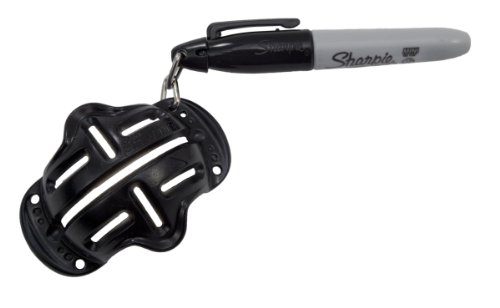
The Line M Up Pro tool specializes in ball identification and alignment. It snaps onto the ball to enable precise markings and offers multiple marking options. Users can align shots by following a built-in line that points in the intended direction. This makes it useful for players who want to practice consistent ball placement and alignment visual cues during putting and approach shots. The tool emphasizes portability and quick setup for practice sessions.
Softspikes Golf Ball Alignment Tool

Softspikes’ alignment tool focuses on simplifying the putting process. It helps golfers align the ball and hole, and includes a Sharpie pen for quick, in-bag markings. The tool’s portability makes it convenient for practice sessions on the green, where consistent alignment can contribute to improved stroke consistency. It can be used in conjunction with other finding aids to enhance overall green performance and confidence on reads.
Buying Guide
When selecting a golf ball finder torch or related alignment aid, consider the following:
- Purpose and use case: Decide whether you need a visual aid for searching, a rangefinder for distance measurement, or an alignment tool for putting and setup.
- Lighting conditions: For outdoor courses with varying sun angles, choose products designed to minimize glare and enhance ball visibility.
- Safety and compliance: If choosing a laser-based rangefinder, verify Class I safety certification and output power to protect eyes and pets.
- Portability and ease of use: Look for compact designs that fit easily into a golf bag and offer quick setup between shots.
- Marking and alignment features: Tools that provide clear alignment marks or markers can improve practice efficiency and consistency.
- Compatibility: Some devices pair with other training aids; ensure the chosen products complement your existing gear.
In practice, players may combine a visual aid such as glasses with an alignment tool and a rangefinder for a comprehensive approach to practice and play. The best choice depends on your routine, whether you focus on shot distance, green reading, or ball tracking on uneven terrain. By evaluating each option against your typical on-course scenarios, you can select a set of tools that deliver consistent benefits across practice and competition.